
Contents
- 🎯 Introduction to AI in Healthcare
- ⚙️ How AI Works in Healthcare
- 📊 Key Applications and Benefits
- 👥 Key Players and Collaborations
- 🌍 Global Impact and Adoption
- ⚡ Current Challenges and Controversies
- 🤔 Future Outlook and Predictions
- 💡 Practical Applications and Use Cases
- 📚 Related Topics and Deeper Reading
- Frequently Asked Questions
- References
- Related Topics
Overview
The integration of artificial intelligence in healthcare is transforming the medical landscape by analyzing complex data, enhancing diagnosis, and streamlining treatment protocols. With applications in diagnostics, personalized medicine, and patient monitoring, AI is poised to revolutionize the healthcare industry. However, concerns surrounding data privacy, job automation, and algorithmic bias must be addressed. As research continues to uncover the vast potential of AI in healthcare, collaborations between tech giants like Google and Microsoft and healthcare providers are on the rise. The use of AI in healthcare is expected to grow significantly, with the global market projected to reach $36.1 billion by 2025, according to a report by Grand View Research.
🎯 Introduction to AI in Healthcare
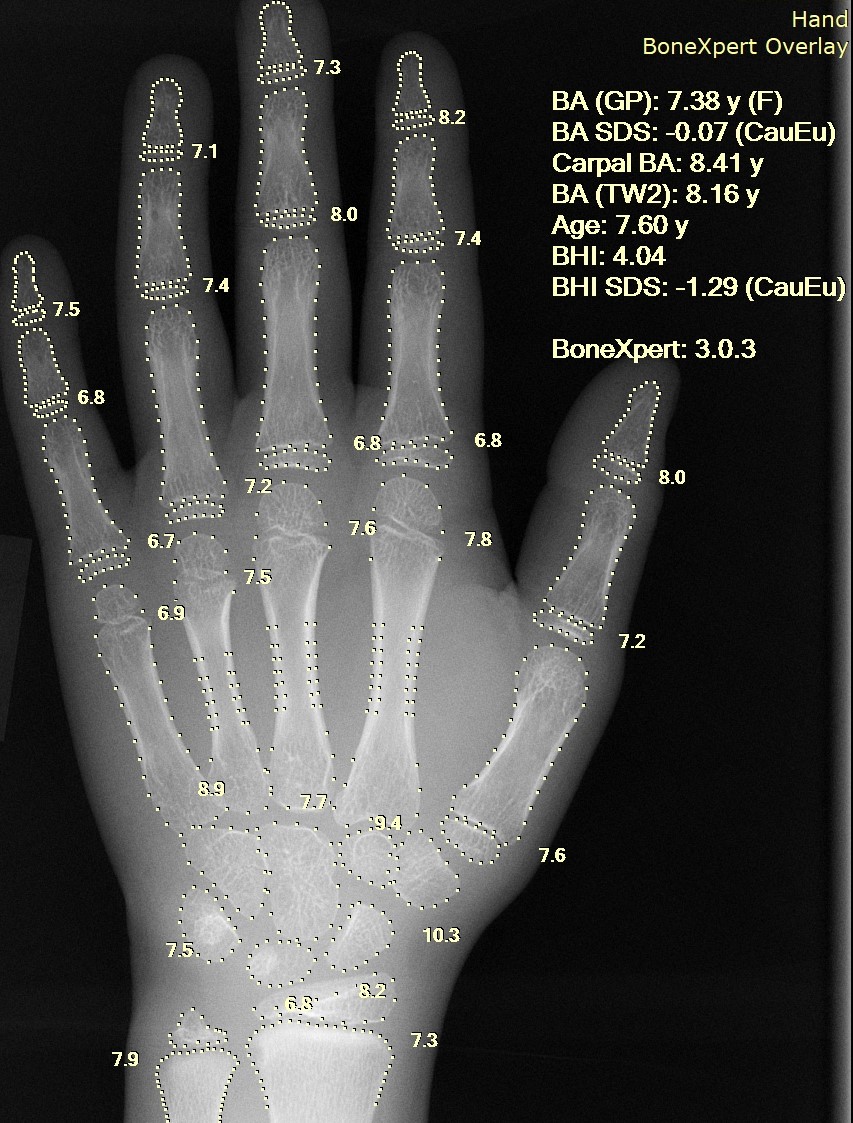
The concept of AI in healthcare has been around for decades, but recent advancements in machine learning and deep learning have enabled the development of more sophisticated AI algorithms. One of the earliest applications of AI in healthcare was in the field of radiology, where AI-powered algorithms were used to analyze medical images and detect abnormalities. Today, AI is being used in various medical subdisciplines, including oncology, cardiology, and neurology. For instance, IBM's Watson for Oncology is an AI-powered platform that helps doctors develop personalized cancer treatment plans.
⚙️ How AI Works in Healthcare
AI works in healthcare by analyzing large amounts of medical data, including electronic health records, medical images, and genomic data. This analysis enables AI algorithms to identify patterns and make predictions, which can be used to diagnose diseases, develop treatment protocols, and personalize patient care. For example, Stanford University's Stanford Health Care is using AI-powered chatbots to improve patient engagement and outcomes. Additionally, Amazon's Alexa is being used in healthcare to provide patients with personalized health advice and reminders.
📊 Key Applications and Benefits
The key applications of AI in healthcare include diagnostics, treatment protocol development, drug development, personalized medicine, and patient monitoring and care. AI-powered algorithms can analyze medical images, such as MRI and CT scans, to detect abnormalities and diagnose diseases. For instance, GE Healthcare is using AI-powered algorithms to analyze medical images and detect diseases such as cancer and diabetes. AI can also be used to develop personalized treatment plans, taking into account a patient's genetic profile, medical history, and lifestyle. Furthermore, AI can be used to monitor patients remotely, reducing the need for hospitalizations and improving patient outcomes.
👥 Key Players and Collaborations
Key players in the AI in healthcare space include tech giants like Google, Microsoft, and IBM, as well as healthcare providers like Cleveland Clinic and Mayo Clinic. These organizations are collaborating to develop and implement AI-powered solutions in healthcare. For example, Google's DeepMind is working with NHS to develop AI-powered algorithms for diagnosing diseases. Additionally, Microsoft's Health Bot is being used by healthcare providers to improve patient engagement and outcomes.
🌍 Global Impact and Adoption
The global impact of AI in healthcare is significant, with the potential to improve patient outcomes, reduce healthcare costs, and enhance the overall quality of care. According to a report by WHO, AI has the potential to improve healthcare outcomes by 40% and reduce healthcare costs by 30%. However, the adoption of AI in healthcare is not without challenges, including concerns surrounding data privacy, job automation, and algorithmic bias. For instance, Facebook's AI-powered algorithms have been criticized for their lack of transparency and accountability.
⚡ Current Challenges and Controversies
Current challenges and controversies surrounding AI in healthcare include concerns surrounding data privacy, job automation, and algorithmic bias. As AI algorithms are trained on large amounts of medical data, there is a risk of data breaches and unauthorized use of patient data. Additionally, the automation of jobs in healthcare could lead to significant job losses, particularly in areas such as diagnostics and patient monitoring. Furthermore, AI algorithms can perpetuate existing biases and disparities in healthcare, leading to unequal treatment and outcomes for certain patient populations. For example, a study by Harvard University found that AI-powered algorithms used in healthcare were biased against certain racial and ethnic groups.
🤔 Future Outlook and Predictions
The future outlook for AI in healthcare is promising, with the potential for AI to revolutionize the healthcare industry. As research continues to uncover the vast potential of AI in healthcare, we can expect to see significant advancements in areas such as personalized medicine, patient monitoring, and disease diagnosis. However, it is essential to address the challenges and controversies surrounding AI in healthcare, including concerns surrounding data privacy, job automation, and algorithmic bias. For instance, MIT's CSAIL is working on developing more transparent and accountable AI algorithms for healthcare.
💡 Practical Applications and Use Cases
Practical applications of AI in healthcare include the use of AI-powered chatbots to improve patient engagement and outcomes, the development of personalized treatment plans using AI-powered algorithms, and the use of AI-powered algorithms to analyze medical images and detect abnormalities. For example, Cleveland Clinic is using AI-powered chatbots to improve patient engagement and outcomes. Additionally, Stanford University's Stanford Health Care is using AI-powered algorithms to develop personalized treatment plans for patients.
Key Facts
- Year
- 2020
- Origin
- Global
- Category
- ai-solutions
- Type
- concept
Frequently Asked Questions
What is AI in healthcare?
AI in healthcare refers to the use of artificial intelligence algorithms and techniques to analyze and understand complex medical and healthcare data. This can include the use of machine learning and deep learning to develop personalized treatment plans, diagnose diseases, and monitor patient outcomes. For example, IBM's Watson for Oncology is an AI-powered platform that helps doctors develop personalized cancer treatment plans.
How is AI used in healthcare?
AI is used in healthcare to analyze medical images, develop personalized treatment plans, and monitor patient outcomes. AI-powered algorithms can also be used to detect abnormalities and diagnose diseases. For instance, GE Healthcare is using AI-powered algorithms to analyze medical images and detect diseases such as cancer and diabetes.
What are the benefits of AI in healthcare?
The benefits of AI in healthcare include improved patient outcomes, reduced healthcare costs, and enhanced quality of care. AI can also help to reduce the workload of healthcare professionals, allowing them to focus on more complex and high-value tasks. For example, Cleveland Clinic is using AI-powered chatbots to improve patient engagement and outcomes.
What are the challenges of AI in healthcare?
The challenges of AI in healthcare include concerns surrounding data privacy, job automation, and algorithmic bias. There is also a need for greater transparency and accountability in the development and deployment of AI algorithms in healthcare. For instance, Facebook's AI-powered algorithms have been criticized for their lack of transparency and accountability.
What is the future of AI in healthcare?
The future of AI in healthcare is promising, with the potential for AI to revolutionize the healthcare industry. As research continues to uncover the vast potential of AI in healthcare, we can expect to see significant advancements in areas such as personalized medicine, patient monitoring, and disease diagnosis. For example, MIT's CSAIL is working on developing more transparent and accountable AI algorithms for healthcare.
How can AI be used to improve patient outcomes?
AI can be used to improve patient outcomes by developing personalized treatment plans, monitoring patient outcomes, and detecting abnormalities and diagnosing diseases. AI-powered algorithms can also be used to identify high-risk patients and provide early interventions. For instance, Stanford University's Stanford Health Care is using AI-powered algorithms to develop personalized treatment plans for patients.
What is the role of machine learning in AI in healthcare?
Machine learning plays a critical role in AI in healthcare, as it enables the development of algorithms that can learn from large amounts of medical data and make predictions and recommendations. For example, Google's DeepMind is using machine learning to develop AI-powered algorithms for diagnosing diseases.
How can AI be used to reduce healthcare costs?
AI can be used to reduce healthcare costs by streamlining clinical workflows, reducing the need for hospitalizations, and improving patient outcomes. AI-powered algorithms can also be used to identify high-cost patients and provide early interventions. For instance, Cleveland Clinic is using AI-powered chatbots to improve patient engagement and outcomes, reducing the need for hospitalizations and improving patient outcomes.